The Hermit of Cape Fear
The Hermit of Cape Fear began with a strange mix of inspirations: a science fiction novel about parallel universes, a hidden boardwalk at Fort Fisher, and a real-life hermit who once lived along the Basin Trail. Somewhere between those ideas, the story slowly began to take shape.
The Concept
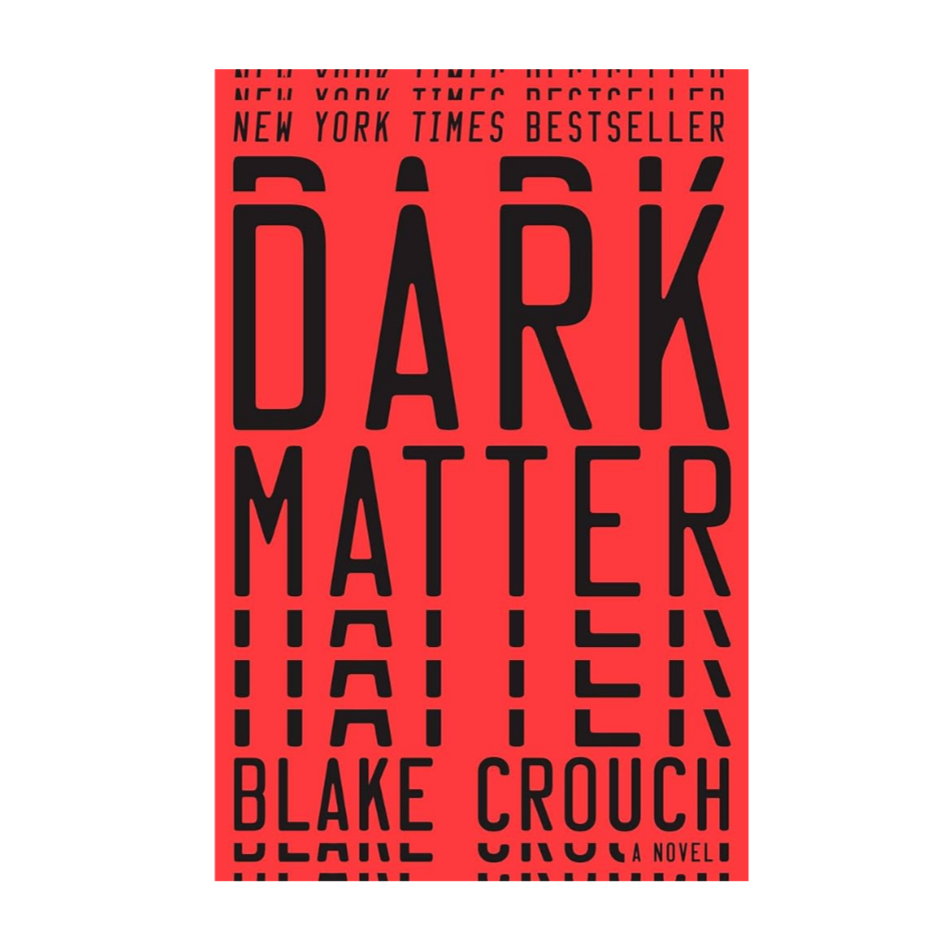
I was inspired by Blake Crouch’s novel Dark Matter, which explores the multiple worlds theory. In the story, a man is kidnapped by a version of himself from a parallel universe and must fight his way back to his original world to save his family.
I was intrigued by this idea, but I found it far more fascinating to focus on the person doing the kidnapping. What kind of desperation would drive you to kidnap, or even kill, another version of yourself? That question became the seed for The Hermit of Cape Fear.
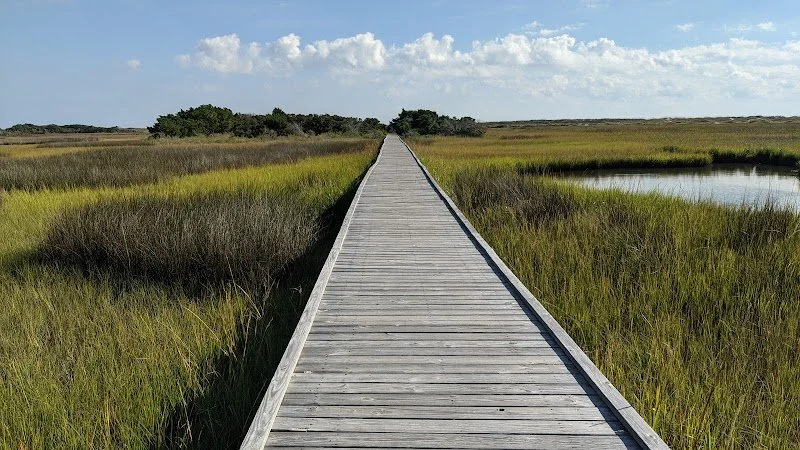
The idea to center the story on the Hermit came after I discovered a beautiful boardwalk at Fort Fisher, North Carolina. Even after living on the North Carolina coast for 17 years, I had no idea this hidden spot along the Basin Trail existed.
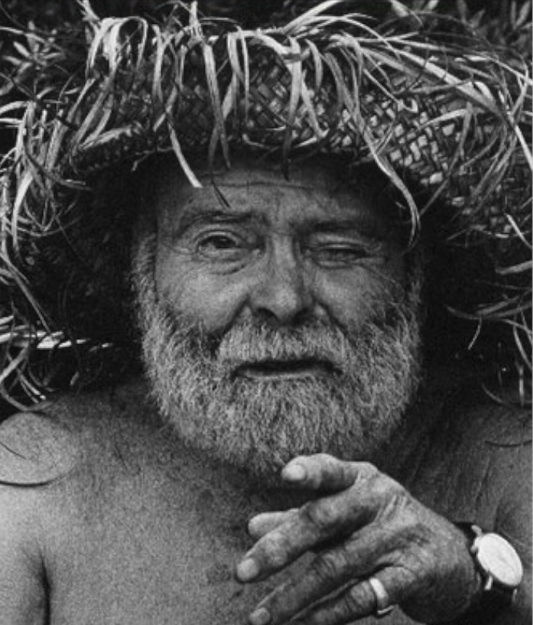
Once I did some research on the Basin Trail, I found out there was a hermit, Robert Harrill, who lived in an old World War II bunker off the trail. That’s when I decided to weave a bit of local folklore into my story and include a Hermit character. While my version only shares the setting with the real Hermit, it felt like a meaningful nod to the area’s history.
If you’re more into podcasts, a friend of mine produced a great episode about the Hermit called “A Polaroid” for his podcast Keepsake.
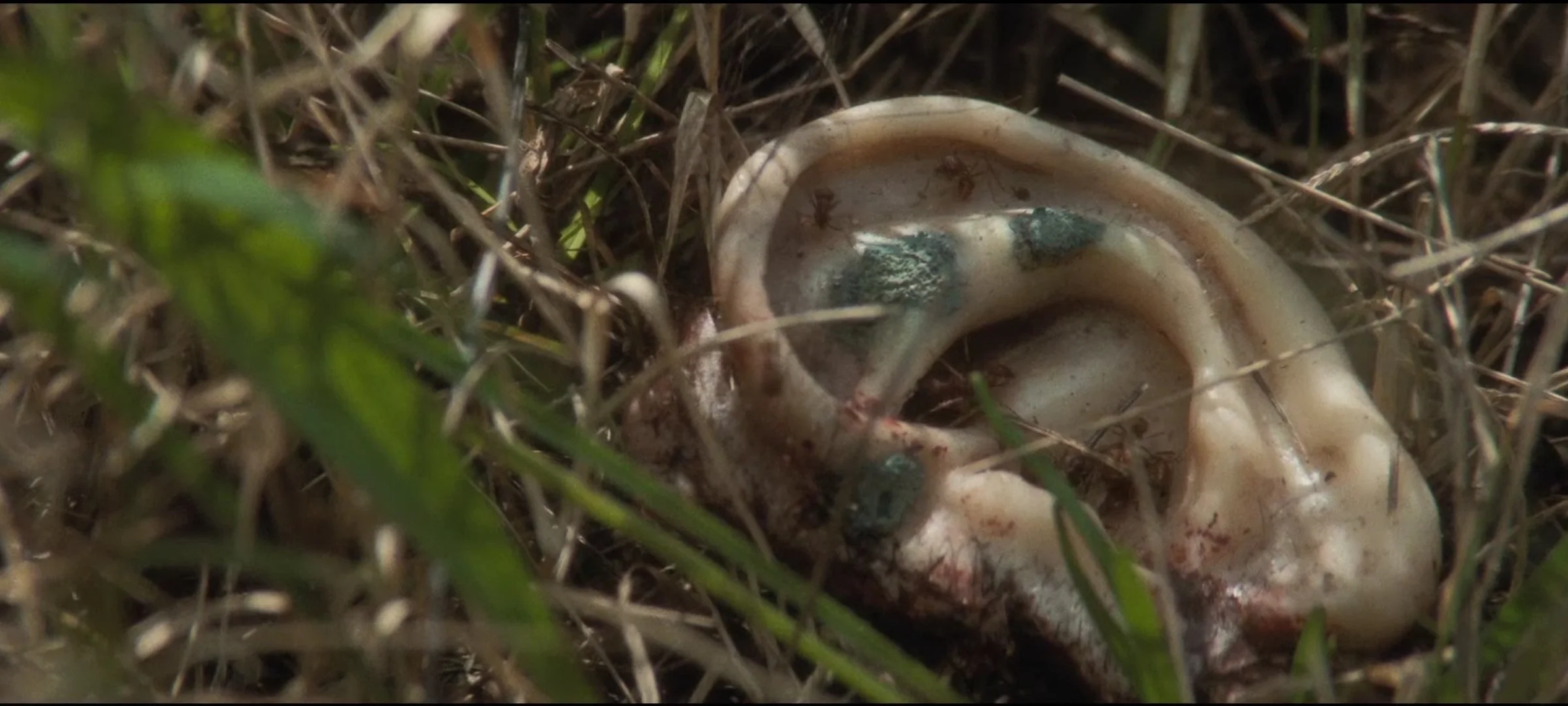
Around that time, I came across an image on social media that immediately caught my attention. I didn’t know its origin, but I was captivated by the idea of a figure covered in tar, placed in a mundane, everyday setting.
This screen grab is from a Polish music video called BARBARKA by Maria Peszek ft. Oskar83. The filmmaker’s name is Grajper.
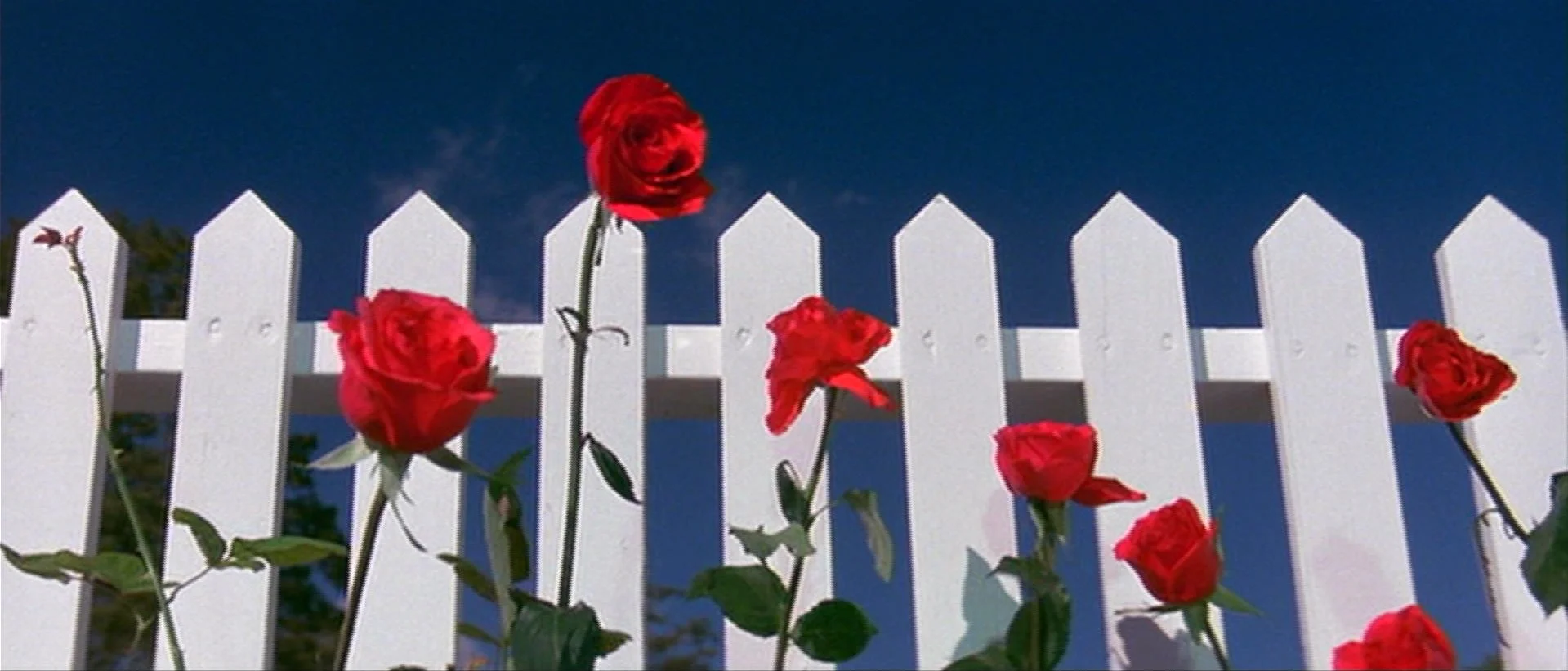
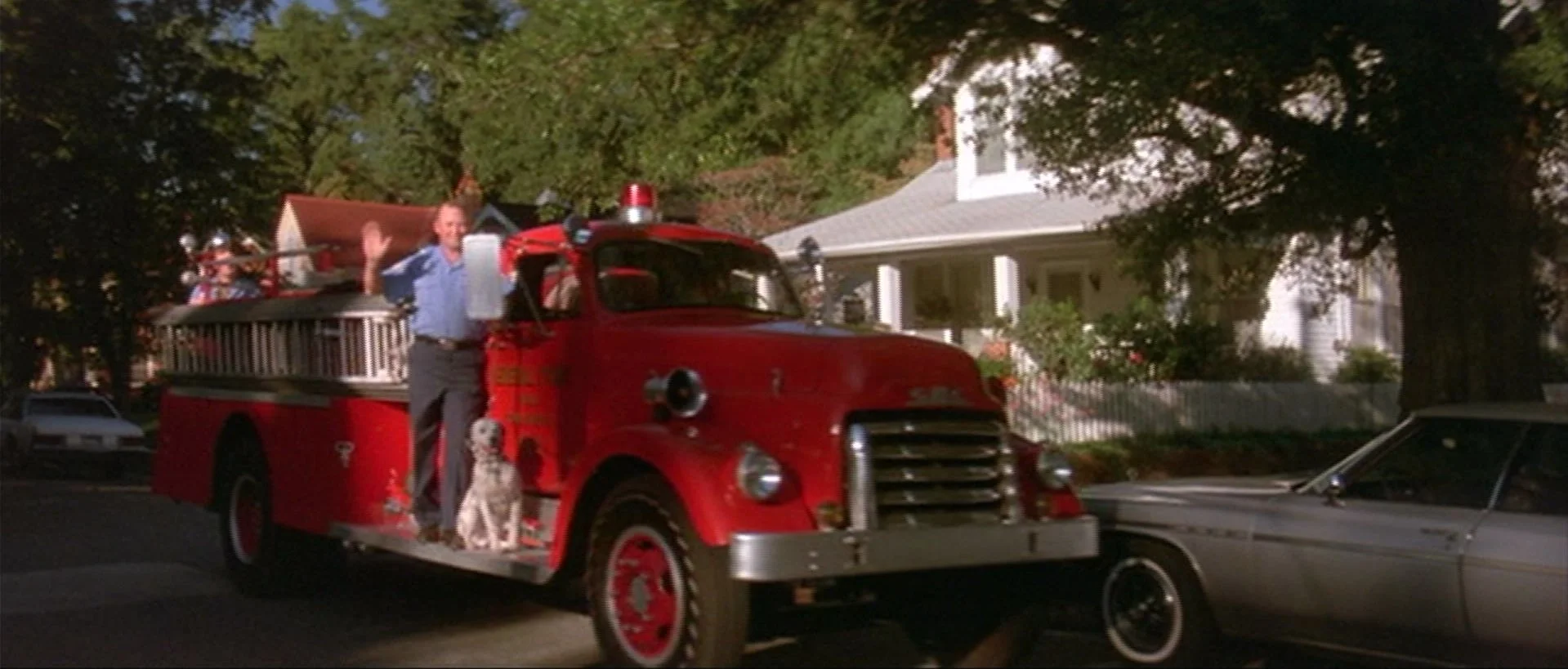
David Lynch is the king of putting weird things in a “normal” setting, so Blue Velvet was naturally an influence as well.
The Goal
My goal with The Hermit of Cape Fear was to create a self-contained short film with a complete story and a clear character arc. This was never intended as a proof-of-concept for a feature. I wanted to make a longer film that showcased my style.
I also wanted it to feel big. Just because it’s a low-budget short doesn’t mean it can’t feel like a fully realized world.
Vintage Anamorphic Lenses
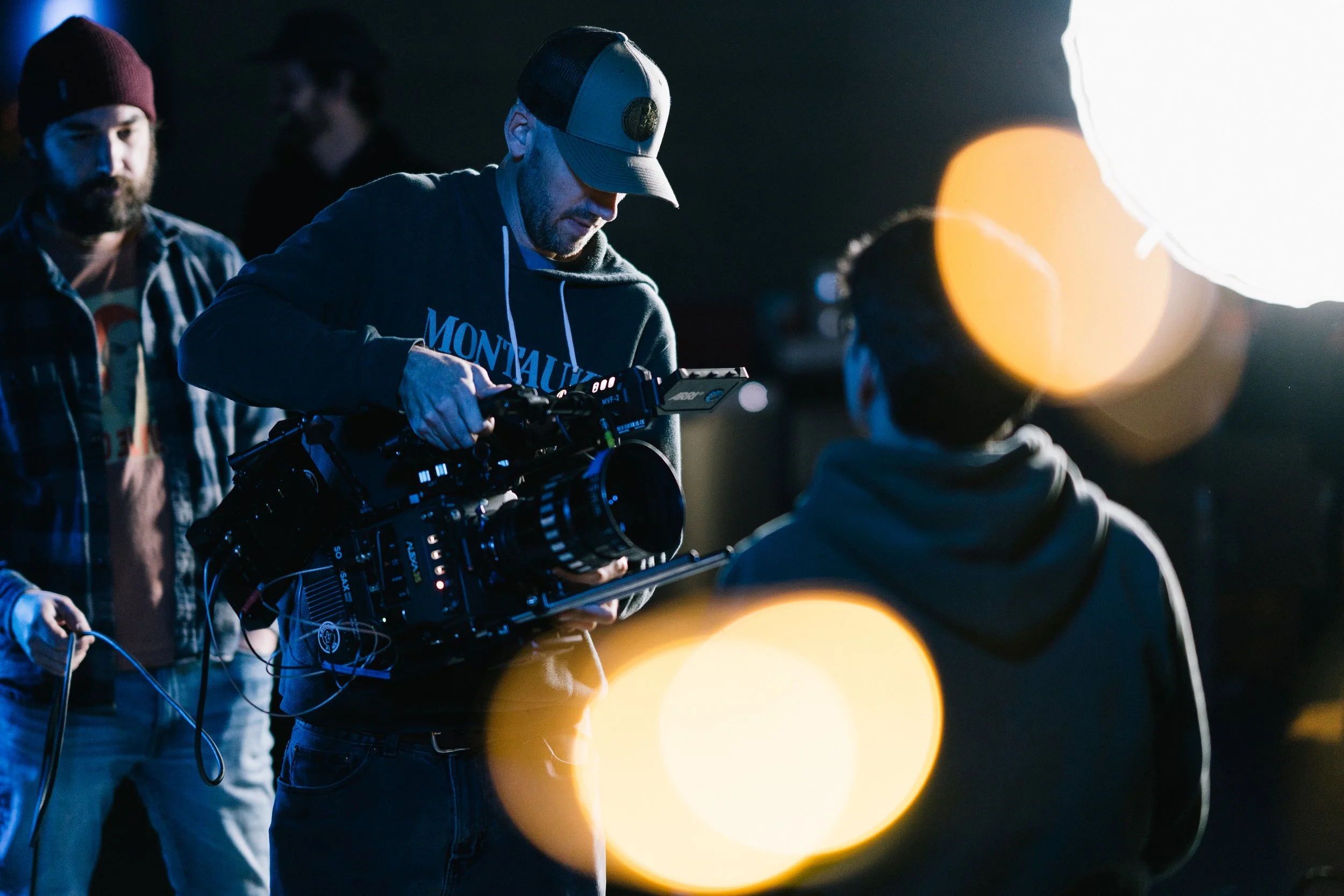
Before this film, I had never shot anamorphic, so shooting with anamorphic glass was a huge goal for me. I received a grant from the North Carolina Arts Council and used it entirely to rent lenses. Luckily, Wilmington is home to Dunton Cine, run by Lester Dunton, who was incredibly helpful in making it possible for us to use some amazing vintage lenses.
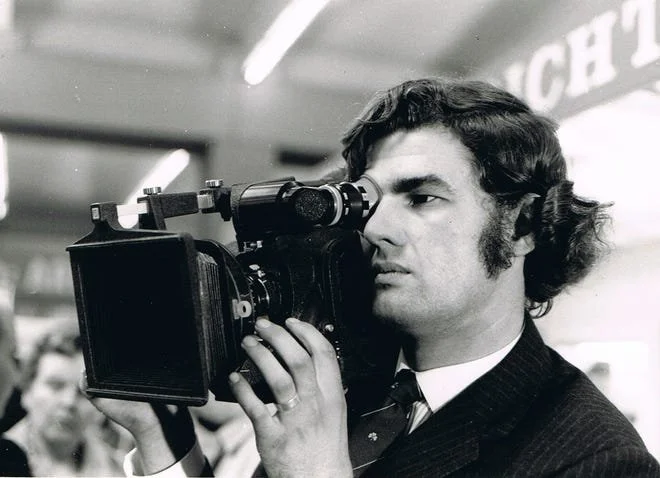
We ended up shooting on Dunton’s Xtal Xpress lenses (pronounced Crystal Express). They were originally developed in the early 1980s by Lester’s father, Joe Dunton, a legendary camera engineer who worked for Stanley Kubrick. The Xtal Xpress lenses have been used on films like Poltergeist, Return of the Jedi, and Ex Machina, so it felt pretty surreal to use them on our little film.
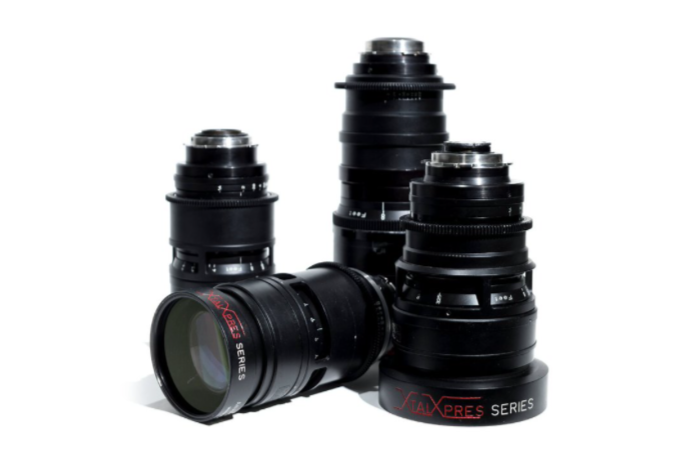
It can be challenging shooting with vintage anamorphic lenses, but it was really important to me to have the character and traditional flaring they’re known for. We tested two sets, the SpeedStars built from Zeiss B Speeds and the Canon K35 Xtal Xpress set. I quickly fell in love with the K35s. The skin tones were beautiful with a really nice highlight roll-off, and they still gave us those classic blue anamorphic flares when we needed them.
The Color Palette
Creating a purposeful visual language was incredibly important to me, and I developed distinct “worlds” for different moments in the film.
Nostalgia World captures Evelyn’s flashback on the Basin Trail. I wanted a warm, washed out look for this.
The Real World reflects Mark’s internal state. He’s grieving, withdrawn, and emotionally distant from his daughter. I wanted the image to feel desaturated, slightly underexposed, and cooler in tone, reinforcing that sense of isolation and emotional disconnect.
The Hermit World covers all of the night scenes with the Hermit. I was originally aiming for a Terminator-style blue, but the raw footage leaned more teal. When I tried to push it closer to that Terminator blue in the grade, I kept coming back to the teal and ultimately embraced it. In the end, it felt right. It turned out pretty cool and didn’t feel like a direct rip of Terminator II.
The Ideal World is when Mark encounters his wife in the parallel universe, and I wanted it to feel almost too good to be true, so I leaned into a high-contrast, crunchy look, slightly over saturated with bright, colorful imagery, and an emphasis on primary and secondary colors.
The Mid Century Modern World covers the interior night scenes during Mark’s second trip, when he interacts with his “perfect” family. I wanted it to feel warm, cozy, and timeless, using very warm tungsten lighting, heavy practicals, and a slightly underexposed image to create an intimate, lived-in atmosphere. It serves as a strong contrast to the cool, desaturated Real World we encounter earlier.
Obstacles
The Basin Trail
Filming on the Basin Trail at Fort Fisher wasn’t easy, even with a supportive park staff. Getting gear to the boardwalk was the biggest hurdle. Our DP Nick’s four-wheel-drive Sprinter let us drive partway up the beach, but we still hauled equipment nearly a quarter mile on foot.
Midway through the shoot, we also discovered the parking lot was about to be locked, sending two PAs sprinting back to relocate everyone’s cars along the road before we were shut in.
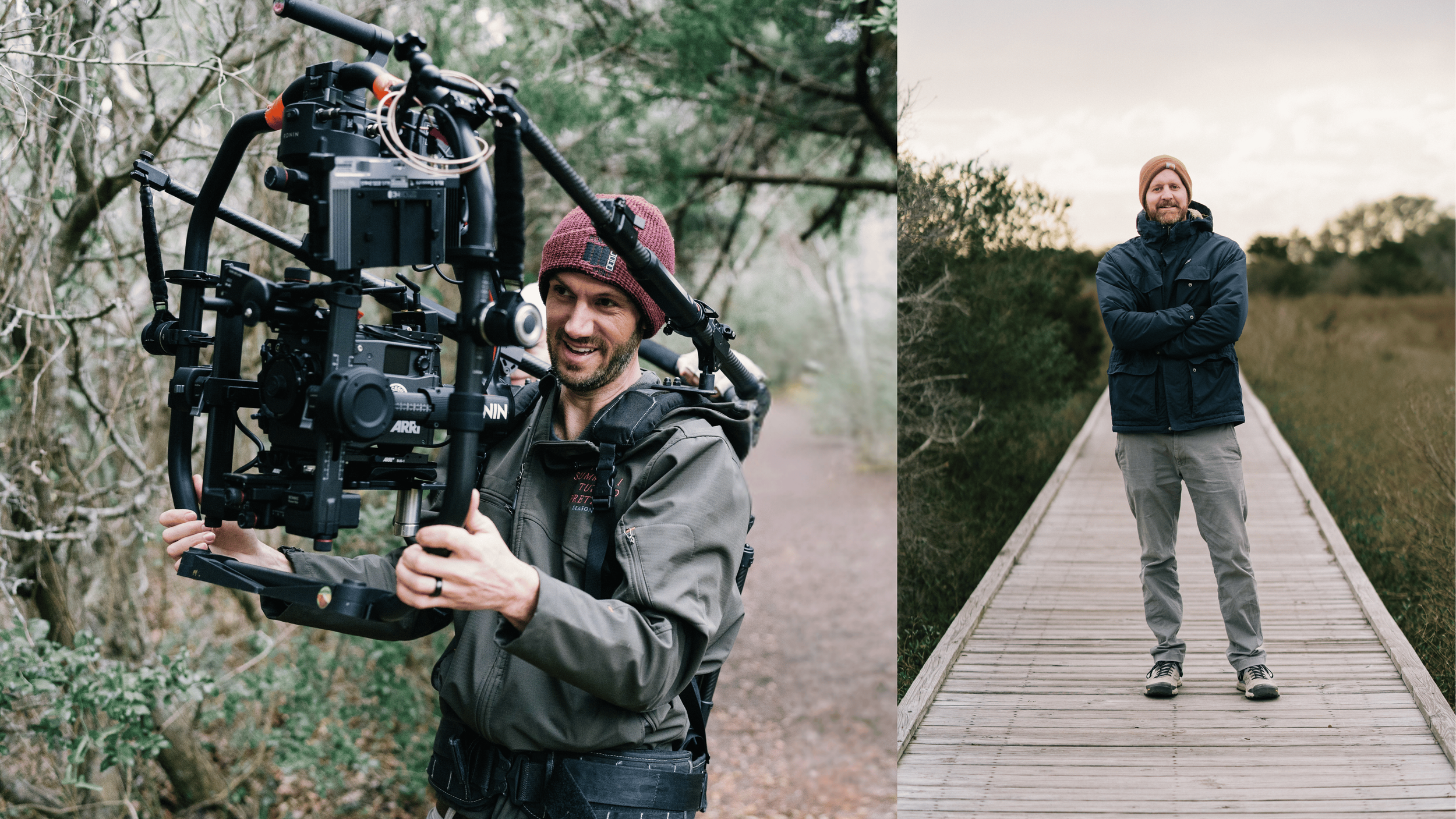
Photos by Will Cooper
Rear Projection
We had a lot of interior car scenes, and thankfully our friends at Dunton are experts in rear projection, with experience on projects like Ted Lasso, Devs, and James Bond: Spectre. I initially imagined shooting with two cameras at once, but that quickly proved unrealistic for our crew size.
Filming with projection became a learning curve, especially balancing exposure between the car interior and the screen. The exterior light has to be slightly overexposed to feel real, while the interior still needs contrast, shape, and natural falloff on faces. Add reflections, moving light cues, and vintage anamorphic lenses into the mix, and it becomes a careful dance. Challenging, but a lot of fun. Just don’t forget plenty of diopters.
Mr. Slimy
The Hermit had several VFX shots. Mark falling from the sky into an alley, was a shot I personally took on, and it ended up being far more difficult than expected for a two-second moment.
My first test involved an action figure in front of a green screen, suspended with fishing line and moved toward the lens. The motion felt unnatural and unintentionally cheesy, like something out of a vintage ghost movie. We then tried to solve it practically on the day, inspired by a technique my DP had seen on Netflix’s Florida Man. We filled a wetsuit with clothes and tossed it from a ladder over the camera, but it didn’t have enough scale and didn’t work.
We made sure to grab a clean plate and decided to fix it in post (I know, terrible idea). Using a green screen, we built a dummy, which my daughter named “Mr. Slimy.” We even tried dropping him from a scissor lift about twenty feet in the air, but that still didn’t sell the scale. In the end, the final shot came from filming Mr. Slimy stationary on C-stands and animating his limbs in post. I actually thought it turned out pretty good.
Looking back, the solution was close to the beginning. Dropping a properly scaled miniature version of Mr. Slimy, like the original action figure, from twenty feet up would have been the perfect shot and a whole lot easier. That kind of trial and error is why I love making high-concept short films. Every experiment becomes part of the memory bank for the next one.
The Celestial Sequence
One of my biggest regrets with the film was not being able to shoot the Celestial Sequence practically. While the sequence features some gorgeous motion graphics, I had really hoped to capture all the space VFX “organically” but time and budget constraints ultimately made that impossible.
Here’s an example of what I was envisioning, inspired by the legendary Doug Trumbull.
Reflection
After every film, I create a list of lessons learned and mistakes I don’t want to repeat. Here is a list of notes from my phone.
Coffee is your friend! Always drink coffee no matter what time it is. On the interior night scenes I was dragging but I didn’t want to drink any coffee because I wanted to be alert for the next day. That was a mistake. I felt like I could have been a better director if I had succumbed to the coffee.
Prioritize rehearsals even if there is not time or budget for it.
Choreograph fight scenes tighter. Have every little angle accounted for.
Be realistic as a writer. Some things will be cut because of logistics so go ahead and cut them in the writing process.
Budget more than you think for food and have someone dedicated to managing it.
Always have an on-set photographer for BTS.
Fun Fact
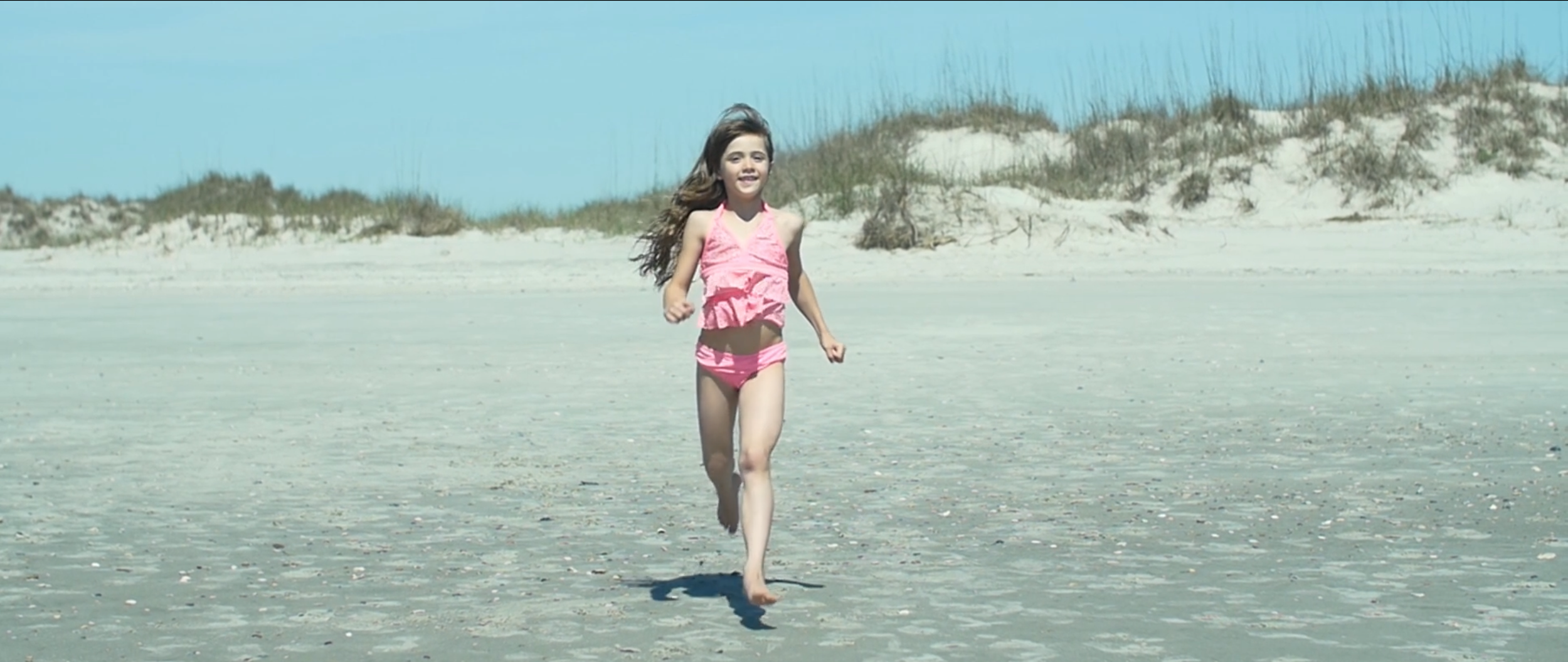
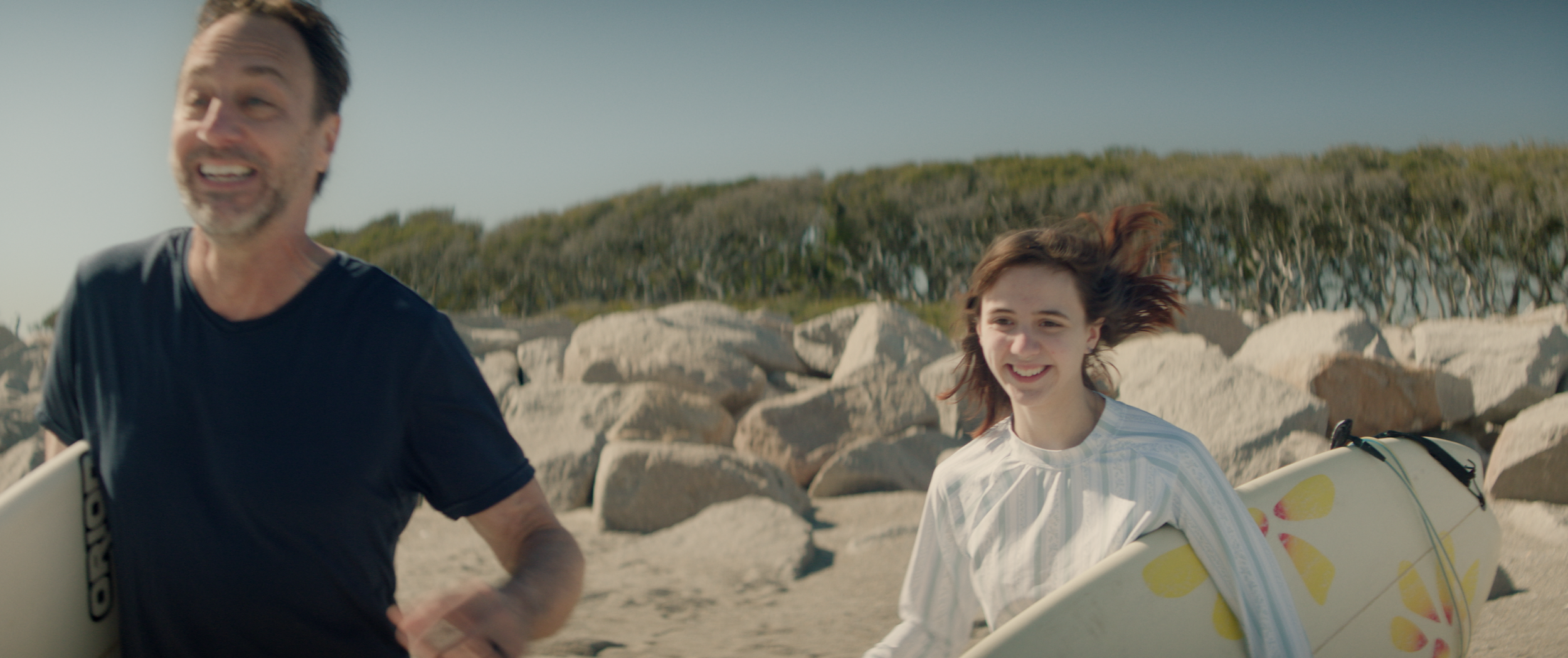
This is the second time I’ve cast Sara Rudeseal (now Sara Haley). She also appeared in one of my films when she was just 8 years old.
The Future
I’ve written a short film called PETAL about a plant-like, humanoid woman who has arrived on Earth but is quickly dying due to industrial pollution. To learn more about the project, follow us on Instagram. PETAL received a 2025 Filmed in NC Grant through Cucalorus, and we are currently seeking additional grant funding as we begin development. Please reach out if you would like to get involved.
I also recently completed my first television pilot. It’s the longest piece I’ve ever written and is based on an idea I’ve had for over a decade. Tonally, it’s closer to True Detective with some of the dreamlike unease of Lost Highway. I’m very excited about this project!